AI-Optimized Websites
An AI optimized website is a site whose structure, content, and markup are readable and verifiable by AI systems as well as humans. Built for Google to rank it, and so AI Search like ChatGPT, Claude, Gemini, and Perplexity can parse it, understand what your business does, and cite you when someone asks for a recommendation.
Schema-rich, crawl-optimized, conversion-focused. Infrastructure, not a brochure.
Is Your Website AI-Era Ready? Find out in 2 minutes.
Seven quick questions. Instant score. See exactly where your site is invisible to AI — and how to fix it.
When was your website last built or redesigned?
The site you built for Google isn't built for AI.
Websites built before the AI era — and most template platforms like WordPress, Wix, and Squarespace — weren't structured for machine readability. No schema depth. No structured content blocks. No citation surface for models to reference.
Buyers now ask ChatGPT, Claude, Gemini, and Perplexity for recommendations before they open a search results page. If your site can't be parsed and quoted, you don't show up in the answer.
Recent Builds.
Different industries. Different aesthetics. Same AI-ready infrastructure underneath.

Windsor Duct Cleaning
Lead-gen build with embedded quote capture and 400+ five-star review positioning.

PGS Dentistry
Six-location dental group with location-level structure AI can parse.
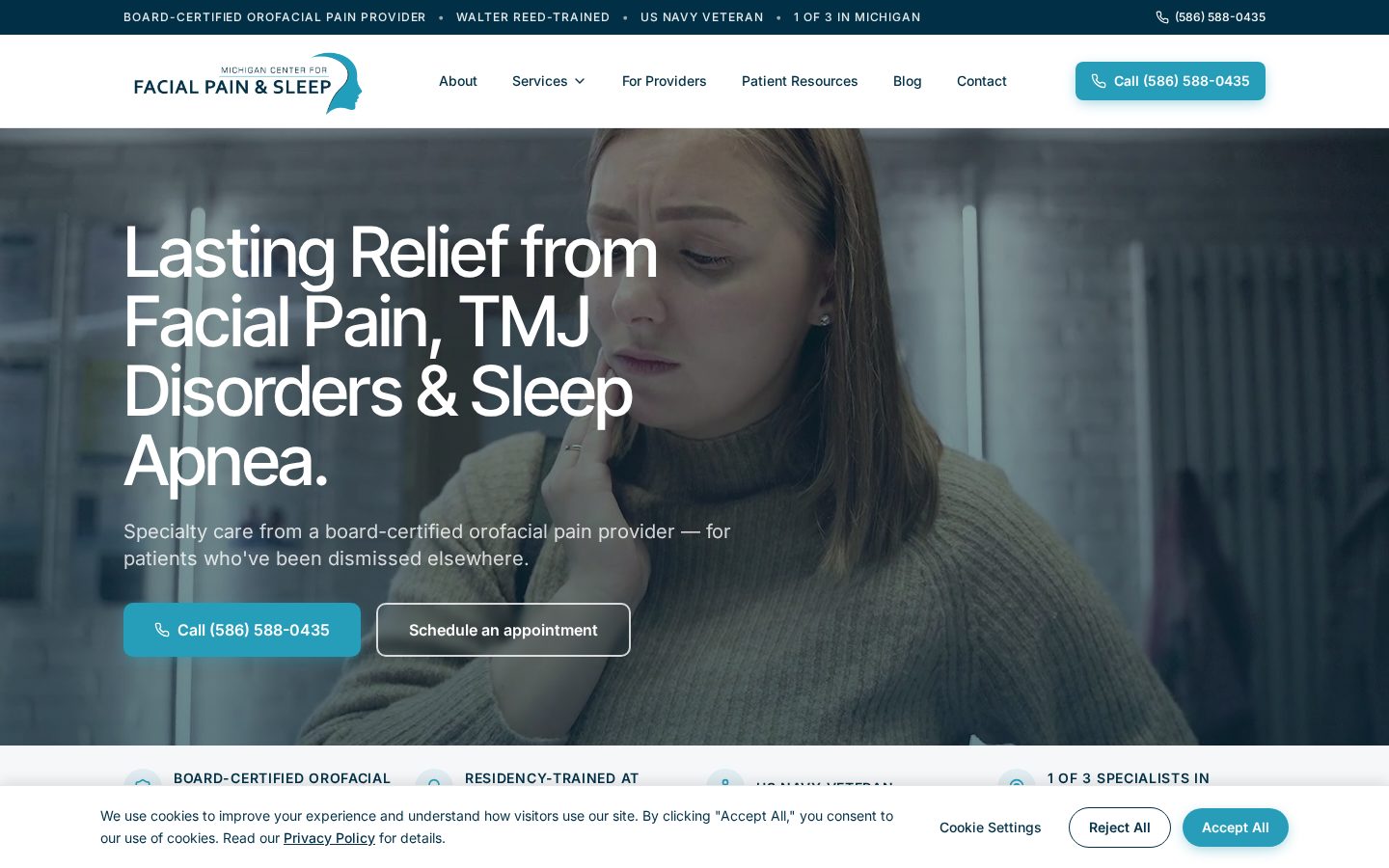
Michigan Center for Facial Pain & Sleep
Specialty practice built around credentials and condition-level content.

Velvet Leaf & Co.
Editorial e-commerce experience for a Denver cannabis delivery brand.
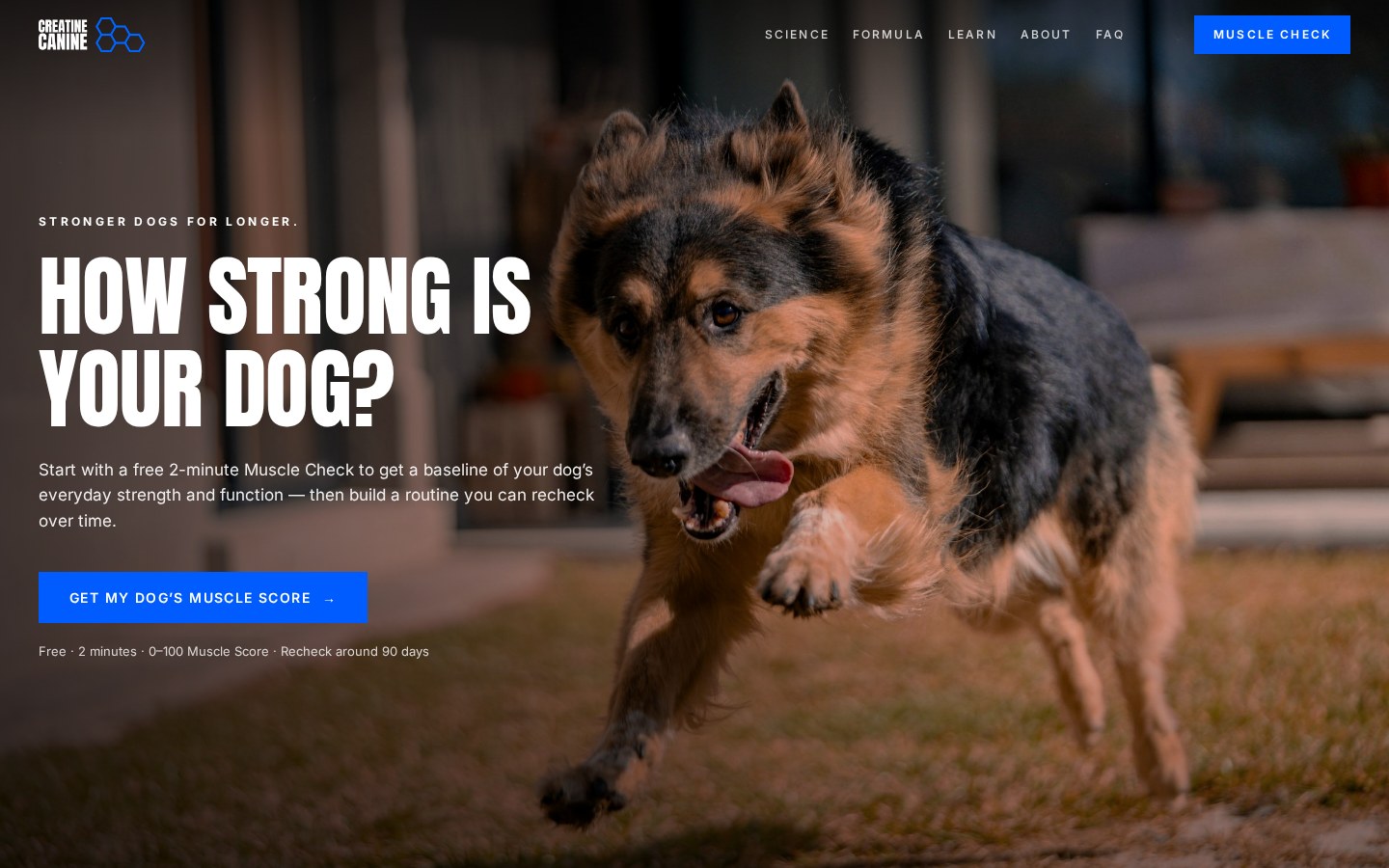
Creatine Canine
Video-hero DTC launch with an interactive assessment funnel.
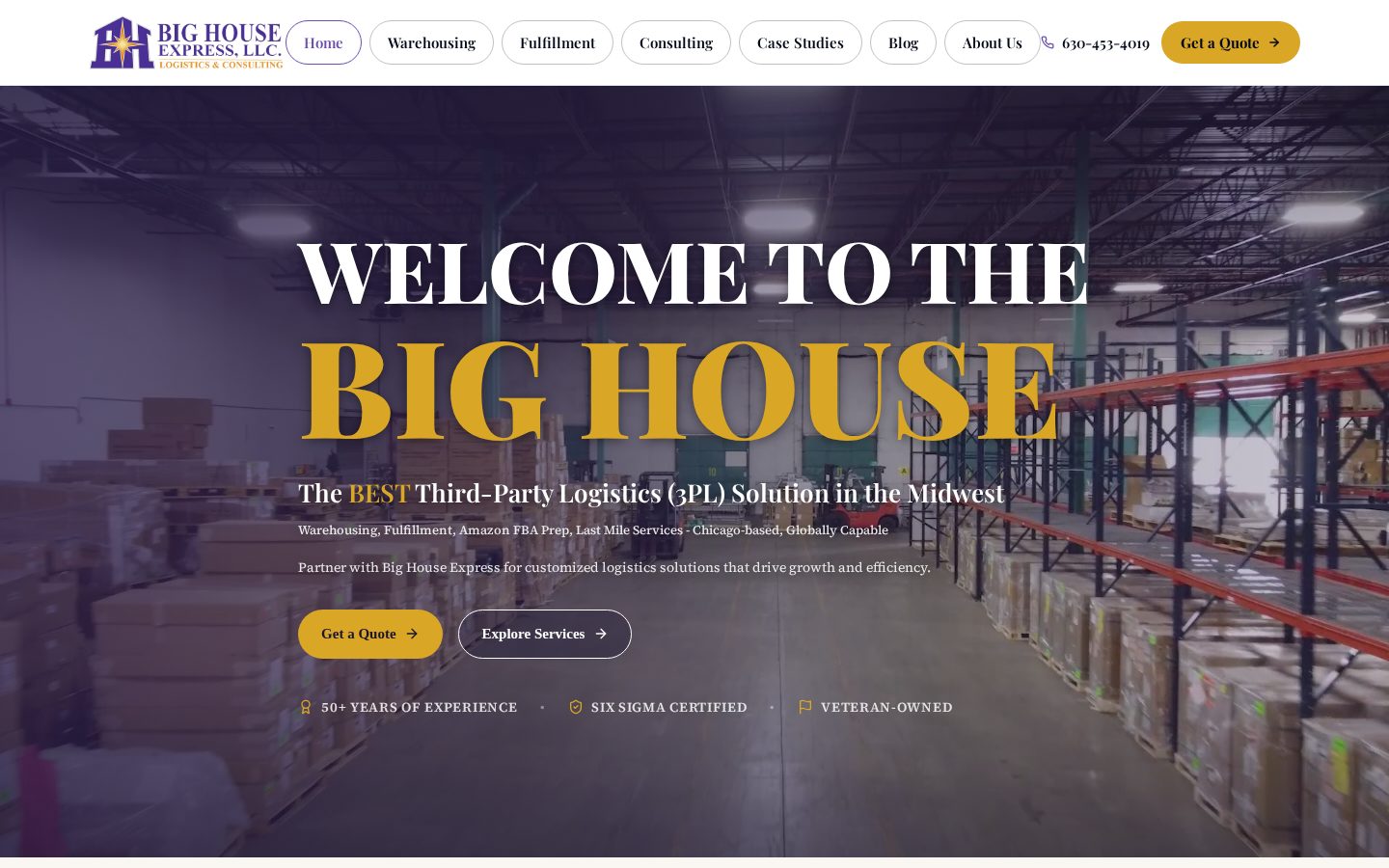
Big House Express
3PL services site structured for quote generation and case studies.
Traditional Website vs Rambunctious Website
| Aspect | Traditional Website | Rambunctious Website |
|---|---|---|
| AI Readability | Not structured for AI systems | Schema-rich, semantic HTML, structured data |
| GEO Support | No GEO foundations | sitemap.xml, robots.txt, llms.txt, JSON-LD included |
| Search Visibility | Basic SEO if you're lucky | SEO + GEO foundations by default |
| Conversion | Contact form, maybe chat | Conversion-focused design with clear CTAs |
| Business Function | Cost center | Revenue infrastructure |
AI Readability
Traditional Website
Not structured for AI systemsRambunctious Website
Schema-rich, semantic HTML, structured dataGEO Support
Traditional Website
No GEO foundationsRambunctious Website
sitemap.xml, robots.txt, llms.txt, JSON-LD includedSearch Visibility
Traditional Website
Basic SEO if you're luckyRambunctious Website
SEO + GEO foundations by defaultConversion
Traditional Website
Contact form, maybe chatRambunctious Website
Conversion-focused design with clear CTAsBusiness Function
Traditional Website
Cost centerRambunctious Website
Revenue infrastructureWhat ships with every build
Every website launches with the technical foundations that make it readable to search engines and citable by AI.
- JSON-LD structured data
- Clean crawl architecture
- llms.txt + sitemap.xml
- Structured FAQ blocks
- Fast Core Web Vitals
- CRM-integrated lead capture
- Conversion-focused layout
Built for Google and AI Search
Our websites are structured for visibility — both in traditional search engines and in AI-powered discovery systems like ChatGPT, Claude, Gemini, and Perplexity.
Google SEO
- Optimized page structure and metadata
- Fast load times and mobile responsiveness
- Clean URL structure and internal linking
AI Discovery (GEO)
- Clear, quotable definitions
- Scannable sections with explicit structure
- AI-friendly formatting for citation
Your website is designed to be found — whether someone searches on Google or asks an AI assistant for recommendations.
Who This Is For
Service Businesses
HVAC, plumbing, roofing, cleaning, landscaping, and other service providers who need infrastructure that drives revenue.
Local Operators
Businesses serving specific geographic areas who need AI-readable infrastructure to stay visible and competitive.
Operators Ready to Scale
Businesses that need AI-readable infrastructure to support their visibility strategy.
Agencies & Resellers
Marketing agencies deploying AI-structured infrastructure for their clients.
Good Fit
- Businesses that need AI-readable infrastructure to support their visibility strategy
- Operators who want their website to generate revenue, not just exist
- Companies spending on ads without proper conversion infrastructure
- Those ready to invest in operational infrastructure, not just design
Not a Fit
- Businesses that only need a simple brochure site
- Companies happy with their current website performance
- Those looking for the cheapest possible website
A website is the infrastructure. AI Optimization is the visibility engine.
Every website we build ships with GEO foundations. Pair it with AI Optimization (GEO) and you get structured authority content, citation strategy, and reporting that shows exactly when ChatGPT, Claude, Gemini, and Perplexity start citing you.
What is an AI optimized website?
An AI optimized website is built for two audiences at once: the human visitor who needs to trust you and take action, and the AI models that decide whether to recommend you when someone asks a question your business should answer.
Traditional websites were designed for humans and, eventually, for Google's crawler. That was enough when Google search was the only discovery channel that mattered. It is not enough anymore. AI platforms like ChatGPT, Gemini, Perplexity, and Google's own AI Overviews now generate answers to the questions your customers used to type into a search bar. Those AI generated answers pull from web pages they can read, interpret, and verify, and they skip the ones they cannot.
An AI optimized website closes that gap. It is server rendered so AI crawlers can read the content without executing JavaScript. It uses semantic HTML so the page structure tells AI models what each section is about. It carries structured data in JSON-LD so AI systems know your business name, location, services, reviews, and credentials without guessing. And it organizes content in clear, quotable blocks so when an AI model assembles an answer, your site is the source it cites.
The practical difference: a traditional website is a brochure that hopes to be found. An AI optimized website is infrastructure that is built to be found, cited, and recommended across both traditional search engines and AI search engines.
Why do pre-2022 websites underperform in AI search?
Most websites built before AI search became a discovery channel have three problems that make them invisible to AI systems.
The first is rendering. Many modern sites, especially those built on JavaScript frameworks, single page app platforms, or template builders like WordPress, Wix, and Squarespace, render their content in the browser. The HTML the server sends is a shell, and the actual text, headings, and structured data only appear after JavaScript executes. Google's crawler can handle this, slowly, but AI crawlers from ChatGPT, Claude, and Perplexity generally do not execute JavaScript at all. If your content only exists after hydration, those AI models see a blank page. They cannot cite what they cannot read.
The second is structure. Older websites describe services in vague, marketing-heavy language that humans can interpret but AI models cannot parse. A page that says "we offer a full suite of professional services" tells an AI model nothing. A page that identifies each service by name, describes what it includes, names the location it serves, and marks all of that up with schema gives AI models the structured information they need to match your business to a user's question and recommend you in their AI generated answers.
The third is the citation surface. AI models generate answers by pulling quotable passages from web pages, summarizing them, and presenting them with or without a source link. Pages built before this mattered were not written to be quoted. They were written to be skimmed. An AI optimized website structures its content so the most important information appears in clear, self-contained passages that AI models can extract, attribute, and cite. FAQ sections with direct answers, definition paragraphs that open a topic in one sentence, and service descriptions specific enough to match a query are all examples of content structured for AI citation.
If your site was built before 2022, or was built on a platform that does not give you control over rendering, HTML semantics, and structured data, the odds are high that AI search engines are skipping it entirely. Not because the content is bad, but because the site was never built for the way AI models read.
Not sure where your site stands? Run a free AI visibility audit and see how AI assistants describe your business today.
What does a website redesign for AI search include?
A website redesign for AI search is not a cosmetic refresh. It is a structural rebuild of how the site delivers content to both humans and machines. Here is what the work covers.
Server side rendering. Every page serves its full content, headings, copy, schema, and metadata in the initial HTML response. No waiting for JavaScript. No blank shell. AI crawlers from ChatGPT, Perplexity, Claude, and Google's AI systems get the complete page on the first request, the same way a human sees it in a browser.
Semantic HTML and clear page structure. The site uses proper heading hierarchy, landmark elements, and content sections that tell AI models what each part of the page is about. Clear structure helps AI systems parse the page, decide what is relevant to a query, and extract the right passage for their AI generated answers. It also helps traditional search engines understand the page, which means the same redesign improves SEO and AI visibility at the same time.
Structured data in JSON-LD. Schema markup identifies your business type, services, location, hours, reviews, practitioners or team members, and FAQs in a format AI models and search engines can read directly. This is what lets an AI platform know your business is a real entity with verifiable details rather than a page of marketing copy. Structured data is also what powers rich results in Google search, featured snippets, and Google AI Overviews, so the investment pays across both traditional and generative AI search results.
llms.txt, robots.txt, and sitemap.xml. These files tell AI crawlers and search engine crawlers what the site contains, what pages to read, and how to navigate the content. llms.txt is the AI equivalent of a site directory: a plain text file that describes the business and lists the site's most important pages with one line summaries so AI models can quickly understand what the site covers and where to find the detail.
Content restructured for citation. Every service page, FAQ section, and core landing page is rewritten so the most important information appears in clear, self-contained passages AI models can extract and attribute. Definition sentences, direct answers to common questions, and service descriptions specific enough to match real queries replace the vague, aspirational copy most pre-2022 sites were written with.
Conversion-focused lead capture. An AI optimized website is infrastructure that produces revenue, not just visibility. Forms, booking flows, chat, and calls to action are built into the page architecture so the visitors AI sends actually convert, whether they arrive from Google search, a ChatGPT recommendation, a Perplexity citation, or a Google AI Overview.
The result is a website that works as a single system across every discovery channel: traditional search engines, AI search engines, Google AI Overviews, and AI platforms like ChatGPT, Claude, Gemini, and Perplexity. Not a traditional site with AI features bolted on, but AI-readable infrastructure designed from the foundation.
Frequently Asked Questions
An AI optimized website is built for two audiences at once: the human visitor who needs to trust you and take action, and the AI models that decide whether to recommend you when someone asks a question your business should answer.
Traditional websites were designed for humans and, eventually, for Google's crawler. That was enough when Google search was the only discovery channel that mattered. It is not enough anymore. AI platforms like ChatGPT, Gemini, Perplexity, and Google's own AI Overviews now generate answers to the questions your customers used to type into a search bar. Those AI generated answers pull from web pages they can read, interpret, and verify, and they skip the ones they cannot.
An AI optimized website closes that gap. It is server rendered so AI crawlers can read the content without executing JavaScript. It uses semantic HTML so the page structure tells AI models what each section is about. It carries structured data in JSON-LD so AI systems know your business name, location, services, reviews, and credentials without guessing. And it organizes content in clear, quotable blocks so when an AI model assembles an answer, your site is the source it cites.
The practical difference: a traditional website is a brochure that hopes to be found. An AI optimized website is infrastructure that is built to be found, cited, and recommended across both traditional search engines and AI search engines.
Your website should be your
hardest-working employee.
Book a strategy call and we'll show you exactly what's holding your site back — and what it takes to fix it.